












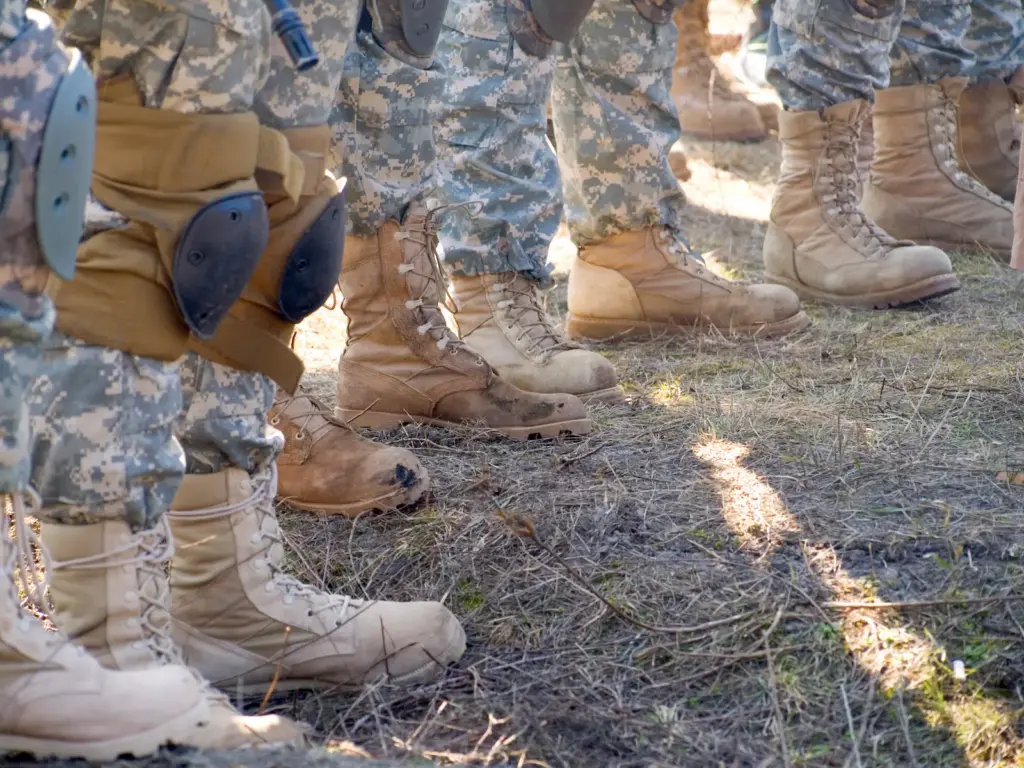
The ACU is a highly engineered piece of gear, and washing it wrong can undo a lot of that engineering — fading the OCP pattern faster than it should, degrading the fabric’s moisture-wicking and durability features, and in one specific way that’s easy to overlook, working against the uniform’s actual purpose.
Why Detergent Choice Matters More Than People Think
ACUs are manufactured under military specification to be free of optical brighteners — the same additives found in many consumer laundry detergents that make white and light-colored fabric look “brighter” under UV light. The Army has restricted the use of optical brighteners in uniform manufacturing since 1984, for a straightforward reason: brighteners absorb UV energy and re-emit it as a highly visible glow, which defeats the point of a low-visibility uniform under night-vision and UV-sensitive optics, not just to the naked eye in daylight.
The uniform ships brightener-free. What happens to it after that is up to the detergent it’s washed in. Many consumer detergents contain optical brighteners — sometimes disclosed on the label as “Fluorescent Whitening Agents” or similar terms, sometimes not clearly disclosed at all, since manufacturers aren’t required to spell out “optical brightener dye” on the front of the package. That inconsistency means checking the ingredient label alone isn’t a reliable way to know whether a given detergent is safe for a uniform that needs to stay brightener-free.
How to Actually Check a Detergent
The reliable method isn’t reading labels — it’s testing directly with a UV (black light) source, the same approach used to test camo and blaze orange for brighteners (see our guide on checking gear for UV glow for the full method and safety notes). In short: in a dark room, a UV-A “BLB” black light will make brightener-treated fabric or liquid detergent glow blue-white. A genuinely brightener-free detergent won’t produce that glow.
If you want to confirm a specific detergent before committing your uniform to it, this is a five-minute test you can run yourself rather than relying on a label or a third-party list, since labeling practices for brighteners vary and aren’t always consistent from brand to brand.
Wash Instructions for the ACU
- Prep the garment. Remove all patches from the coat and empty all pockets before washing. Close all hook-and-loop (Velcro) fasteners to prevent snagging.
- Turn inside out. This helps protect the Velcro and reduces color fading on the OCP pattern.
- Wash in cold water using a brightener-free detergent, on a permanent press cycle, or hand wash.
- Make sure the detergent rinses completely. Detergent residue left in the fabric can interfere with the uniform’s performance features over time — the same issue that affects moisture-wicking and water-repellent treatments on other technical fabrics.
- Do not wring or twist the fabric. Hang dry, or machine dry on low-to-medium heat (roughly 140–160°F; for the cap specifically, stay under 130°F).
- No bleach — chlorine or non-chlorine.
- No fabric softener.
- No dry cleaning, starching, or commercial hot pressing.
- No heat or ironing directly on hook-and-loop fastener areas — this can damage the material.
How Atsko Products Help
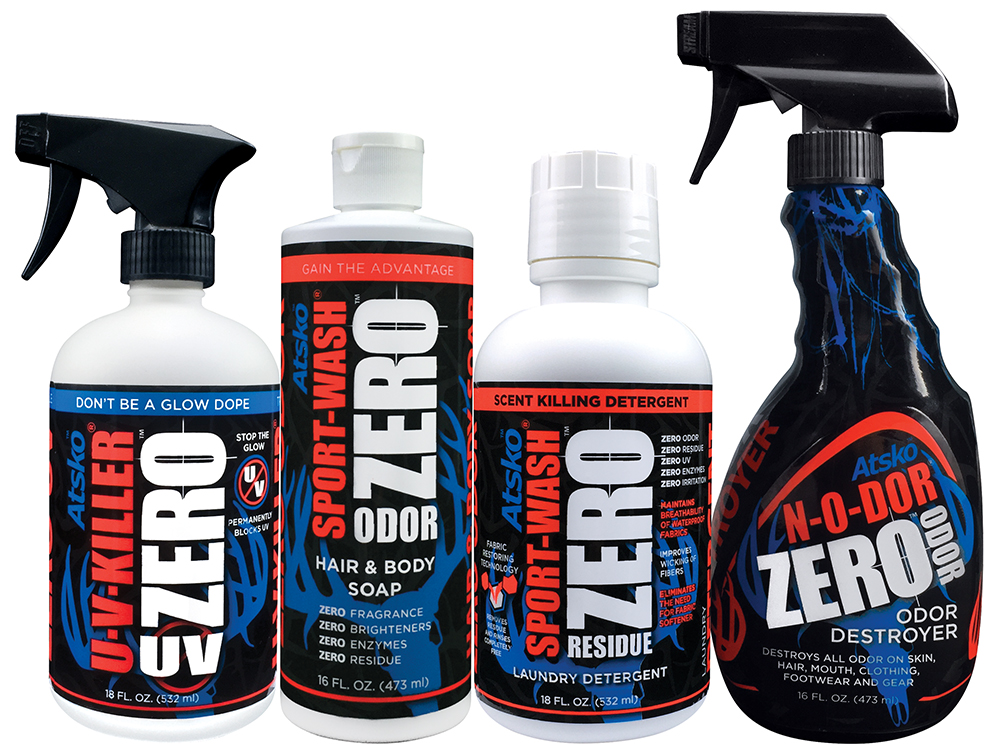
Sport-Wash laundry detergent is formulated without optical brighteners of any kind and is designed to rinse completely, which addresses both concerns above — no brightener contamination, and no residue left behind to affect the uniform’s technical performance. If a uniform has already picked up brighteners from a previous wash in a different detergent, rewashing in a brightener-free detergent going forward stops the problem from continuing, though it won’t remove what’s already bonded to the fabric — for that, the same UV-blocking treatment approach used on hunting camo (see our UV brightener guide) applies here too.
Related Reading
- How to Check Your Hunting Gear for UV Brighteners — the testing method and treatment approach, applicable to any brightener-free fabric